
The Colorado Public Utilities Commission will need to rule on a proposal from Xcel Energy that will determine their energy efficiency, clean heat and electric vehicle strategies and investments over the next few years.

A cleaner, more energy efficient home can reduce pollution, impacting your health and quality of life. It can also cut energy costs. And if you pair that cleaner, energy efficient home with an electric vehicle instead of a gas car, the pollution benefits and savings can be even greater.
That’s why helping people upgrade to a clean, energy efficient home with an electric vehicle instead of a gas one is a good priority for utilities.
But it’s not a given that utilities will make this a big enough focus. And for-profit utilities can actually have financial incentives that run counter to cutting energy waste for their customers or reducing pollution.
Which is why the Colorado Public Utilities Commission (PUC) is required to review and approve any plans from for-profit utilities. The PUC is consumers’ first line of defence and they have a large proposal in front of them from Xcel Energy on the future of energy efficiency, clean heat and electric vehicle programs.

In July, Xcel Energy, a large for-profit utility, proposed their plan (called the Integrated Customer Program) for customer energy efficiency, electric vehicle and clean heat programs for the next four years.
This proposal will not only determine the size and scope of energy efficiency programs but also strategies for supporting the transition to cleaner heat produced from equipment like heat pumps and zero-emission electric vehicles in our driveways.
That proposal heads to the PUC for review and approval – with a number of stops along the way for stakeholders and the public to weigh in.
This is a big deal. So, to understand what’s at stake, I interviewed a number of experts through our “Talking Utilities” series.


To kick off our episode, Joe Halso, Senior Attorney with the Sierra Club, explained the electric vehicle part of the plan – also called the Transportation Electrification Plan (TEP).
According to Joe, Xcel’s initial proposal is to spend about $225 million across 7 programs.
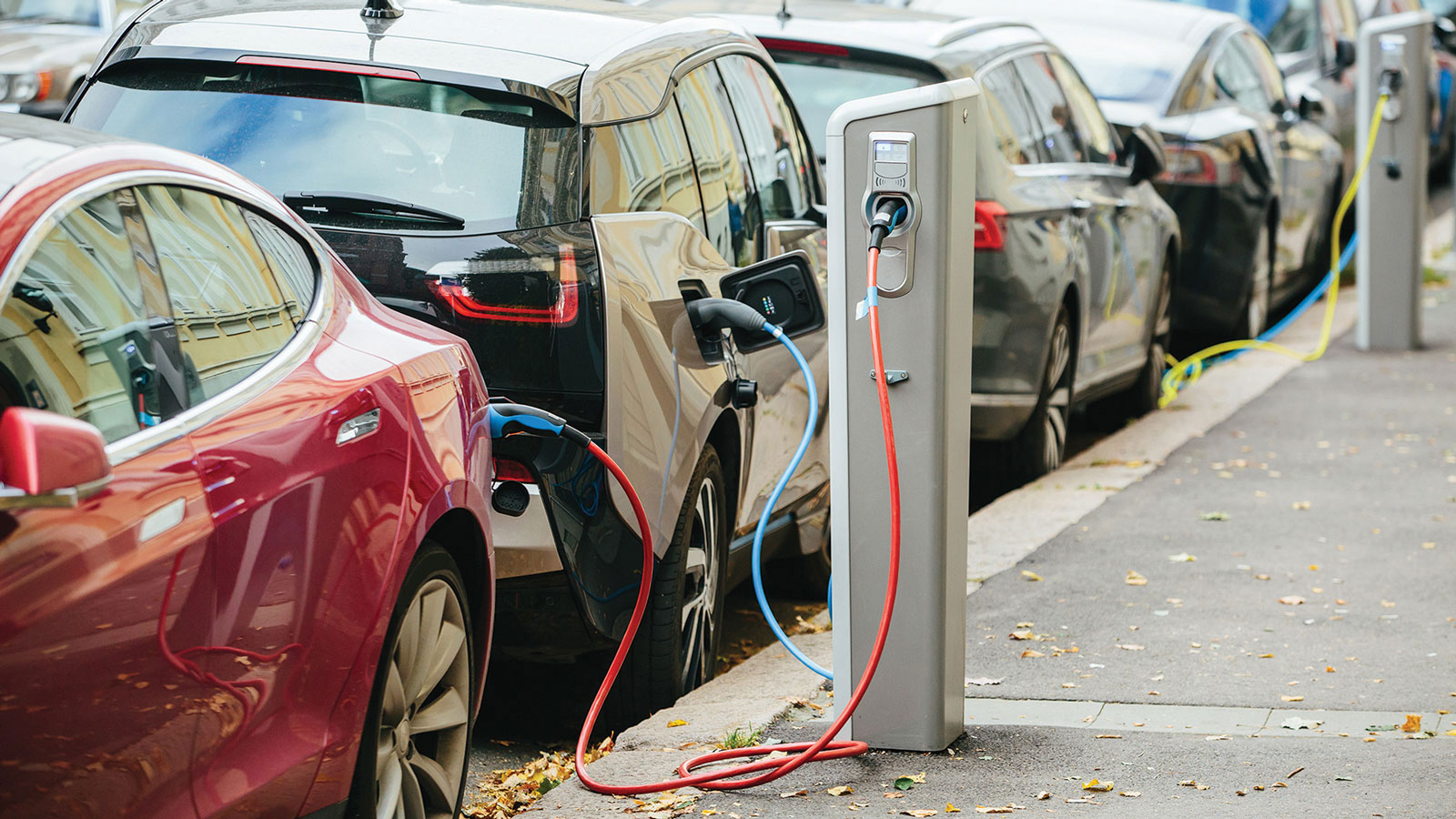
The biggest focus is on charging infrastructure – the way electric vehicles fuel up. Through incentives and rebates, Xcel can reduce the costs of building electric vehicle chargers for everything from homes to truck stops.
More charging options is important because Joe pointed out that the biggest barrier for more people to choose electric vehicles is the lack of charging, which leads to “range anxiety” or the fear that you’ll run out of juice before you get to where you need to go, especially on longer trips.
Another big focus is on something called “managed charging.” This is all about trying to get people to plug their electric vehicle in at the “right times” – those times when there is excess energy available, often overnight. Using this excess energy can reduce overall costs for the whole system, which can mean cheaper charging for you and reliability benefits for everyone.
What does good managed charging look like?
We don’t want an electric vehicle owner coming home from work and immediately plugging in to charge at that 4pm-8pm time when our electric grid is most likely to be maxed out and adding energy at that time is most expensive.
We do want that electric vehicle owner to plug in when they get home, but be part of a program where the car would not start drawing in electricity until midnight, completing the charging by 6am. During those late night hours, our electric grid has surplus capacity, so grabbing power then is way more efficient and less costly.
We need more [electric vehicle chargers], we need them fast. People won’t make the switch [to electric vehicles] if they don’t think they can fuel them with charging infrastructure.Joe Halso
Senior Attorney, Sierra Club
Well, it all comes down to the fuel.
For starters, a transportation system fueled with gasoline creates a lot of pollution, which in turn fuels numerous dirty air days and exacerbates extreme weather events by fueling climate change.
So, our health and our outdoor way of life that so many of us enjoy would be better if we had less vehicle pollution.
In addition, gasoline as a fuel is expensive. It’s a lot cheaper to fuel an electric vehicle.
So, if we can fuel more vehicles with electricity versus gasoline, we can cut pollution and costs – by a lot.
Joe would like to see an approved plan that focuses on putting maximum effort into the electric vehicle charging “pain points.” That means filling gaps in the public charging system and at apartment buildings, increasing the number of people who can choose an electric vehicle over a gas one.
That also means building out charging along our highways. According to Joe, the state has a good map of where we need chargers – that’s not the problem. The key in this proceeding is ensuring Xcel’s charging programs and incentives work well with the state’s including stretching and leveraging each other’s funds to make efficient use of these dollars.
In addition, given this is Xcel’s third iteration of an electric vehicle plan or TEP, Joe says it’s time to eliminate any kinks in the current incentive programs so we can see greater adoption.
Finally, he wants to see us take advantage of these “mobile batteries” so we can better leverage the renewable energy that our grid already has. That means pulling in renewable energy to vehicle batteries when it’s cheaper and there’s excess capacity, storing that clean energy and then putting it back into the grid when we need it the most.
An EV is just a battery on wheels. Controlling when we charge them or better yet enabling them to send power back to the grid when we need it, we can support grid-wide benefits for every Xcel customer whether they drive an EV or they drive an F-150.Joe Halso
Senior Attorney, Sierra Club



The next big bucket in this proposal is all about helping people reduce their gas consumption and choose “clean heat” – heat that comes from electric equipment and appliances, not gas. That can be done with efficiency strategies and electrification technologies like heat pumps.
Ed Carley is the Senior Building Decarbonization Policy Advisor with Western Resource Advocates and he explained what’s at stake with the clean heat part of this proposal.
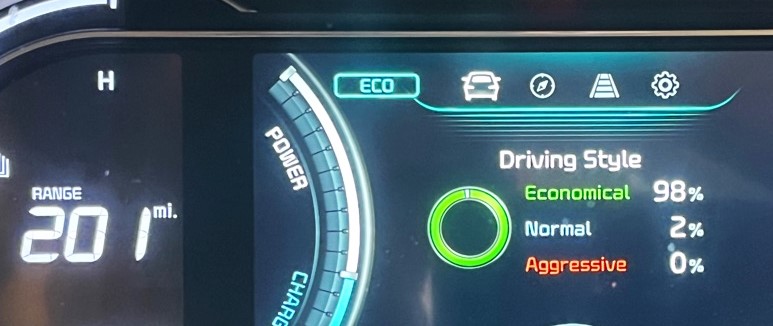
At its heart, clean heat is about home and water heating with equipment like heat pumps and electric water heaters, which do not have local emissions and are more efficient than getting heat from gas.
So, the clean heat proposal should be about incentives to make it easier for people to choose to replace their gas appliances with cleaner electric equipment.
If we can use that [renewable energy] to heat our homes, heat our water, charge our electric vehicles, we can go a long way to reducing emissions.Ed Carley
Senior Building Decarbonization Policy Advisor with Western Resource Advocates

Ed explained that 21% of Colorado’s climate pollution comes from residential, commercial and industrial buildings. That’s a big source.
And the pollution that fuels climate change is having a big impact right now – on our lungs and our lands from agricultural areas to mountain towns.
Shifting to electric appliances cuts pollution especially as the electric grid gets increasingly cleaner with more of Colorado’s energy coming from renewable sources. Just in the first half of 2026, Ed reported that 53% of Colorado’s energy came from wind, water and solar.
In addition, Ed pointed out that getting off gas can protect more Coloradans from the wild swings we see in gas prices – like the spikes we saw in 2022. Wind and solar fuel is free, helping to reduce costs for consumers over the long run.
Finally, heat pumps offer the added benefit of acting as air conditioning units in the increasingly hot summers and can filter a home’s air, which is especially important as too many Coloradans suffer from ozone pollution days and wildfire smoke.
So, it's about setting ourselves on course to meet those [clean heat] goals but also really reducing the pollution that we experience in our homes and our communities.Ed Carley
Senior Building Decarbonization Policy Advisor with Western Resource Advocates
Colorado has a goal to reduce greenhouse gas emissions from gas used in buildings by 22% by 2030 and 41% by 2035. So, this proposal needs to put Colorado on a path to meet those goals.
An important tool is incentives for people to switch to heat pumps and electric water heaters as well as to better insulate homes to reduce the amount of heat we need to produce in the first place.
We will also need investments to ensure our electrical systems are ready for more electric equipment to plug in.
Unfortunately, Ed expressed concerns that Xcel’s initial plans won’t put us on track to meet our state’s goals. Part of the reason is that the initial plan relies heavily on recovered methane.
Recovered methane basically means grabbing methane from a source where that methane would just escape into our atmosphere, and burning it as a fuel. According to Ed, Xcel’s recovered methane proposal focuses on capturing methane from cow manure.
Now, it’s not a bad thing to reduce methane pollution escaping from cow manure. Methane is a particularly bad source of pollution – more than 28 times as potent at trapping heat as carbon dioxide.
But, Ed explained, counting captured methane from cows as part of an effort to reduce gas pollution from our buildings is problematic for a few reasons.
Ed’s vision for clean heat is for the PUC to approve a plan that has enough incentives to help Coloradans move to clean heat in the numbers that allow us to meet our state goals AND avoids wasting money on things like recovered methane that misses an opportunity to reduce our overall reliance on gas.
Do we use efficiency and beneficial electrification or do we use other solutions like recovered methane that are more expensive and don't really reduce CO2 emissions?Ed Carley
Senior Building Decarbonization Policy Advisor with Western Resource Advocates



The final piece of Xcel’s proposal deals with energy efficiency and demand management programs for our electric system.
Bottomline – before we build anything, we should reduce our need and cut waste by being as efficient as possible.
For this piece, I brought in Ramon Alatorre, Utility Program Senior Manager from the Southwest Energy Efficiency Project (SWEEP).
Ramon describes energy efficiency as pretty bread and butter. Think of weatherization programs that make your home less leaky and more insulated.
Appliances are included as well. For example, if you use electric resistance or baseboard heat, you can get help switching to more efficient heat pumps.
The other piece of this energy efficiency bucket will be demand management. The idea here is to reduce the overall amount of energy we need to produce by targeting energy cutting measures at peak times when the grid is stretched.
One example would be a smart thermostat program in your home that allows the utility to make small adjustments to the temperature in your house during those peak hours. Making small adjustments to a lot of homes can actually cut overall energy use by megawatts, saving everyone money and making our grid more reliable.
In this proceeding, Ramon hopes to see a plan that is bigger – 3-4 times bigger.
Every single year they have been running these programs there have been benefits to customers, benefits to the grid.Ramon Alatorre
Utility Program Senior Manager with the Southwest Energy Efficiency Project (SWEEP)

Well, this is pretty easy – because no one wants to pay for energy or breathe in pollution that isn’t needed.
Energy efficiency measures reduce how much energy each of us needs to consume, which reduces pollution and costs.
Ramon highlighted that Xcel has been required to propose and implement plans around energy efficiency and demand management for nearly 20 years.
And Xcel’s energy efficiency programs have been consistently cost effective and successful over the years. Ramon reports that for every dollar spent, we get more than a dollar worth of benefits. That partly means we don’t have to spend as much on building new energy capacity.
So, for this plan, the idea would be to continue the programs Xcel has in place – some of them for businesses and some of them for homeowners. And increasing funding for the strategies that are working.
Every time we review the spending and the benefits, it always comes out positive for energy efficiency….These programs are regularly coming out with, you spend $1 and you’re getting $2-$4 in benefits for the system, so they are incredibly cost effective.Ramon Alatorre
Utility Program Senior Manager with the Southwest Energy Efficiency Project (SWEEP)
One challenge in Ramon’s mind with growing the energy efficiency program is on the workforce side – many of the upgrades and new equipment need to be installed by someone who has been trained. So, more trainings would be helpful.
Overall, energy efficiency and demand management programs work – they cut waste and reduce energy use, which reduces pollution and saves money. So, Ramon is hoping the PUC approves a plan that significantly grows this bucket over the next four years.
It's almost hard to overspend on energy efficiency.Ramon Alatorre
Utility Program Senior Manager with the Southwest Energy Efficiency Project (SWEEP)

Every month, customers pay our utility bills expecting heat and energy that doesn’t undermine our health and is safe, reliable and cost effective. Unfortunately, our grid currently produces dangerous amounts of pollution and has unnecessary inefficiencies and waste – all things that need to be tackled by this clean and energy efficient homes proposal.
But how will this plan impact our utility bills?
One challenge with any PUC proceeding is that often the adoption of the plan (like this one) is separate from deciding how much utility customers will pay.
So, while we’ll know the overall size of the plan and the investments within the plan by early spring when the PUC makes its final decision, we won’t know how much that means on a customers’ bill until later.
So I asked Joe, Ed and Ramon to weigh in on this question of cost when it comes to utility electric vehicle, clean heat and energy efficiency programs.
One thing they all emphasized – the devil is in the details and Xcel needs to demonstrate their investments are effective. That means complimentary not duplicative and aren’t more generous than they need to be.
Joe pointed to an expectation by Xcel that the electric vehicle pieces of this plan will put downward pressure on overall rates. How? By plugging in more electric vehicles, you can bring in more money to pay for the grid (shifting dollars from gas pumps to local electric grids) and spreading the costs of the current grid across more customers. This benefit is increased when those customers use energy, much of it free sun and wind, at times when the grid has capacity.
We just want to be in that sweet spot, right, where we're not overbuilding, not overspending, but we also aren't just reactive to the immediate need for EV charging.Joe Halso
Senior Attorney, Sierra Club
Ed emphasized that this plan is unique – it focuses a lot on money flowing back to customers.
For example, a big part of the plan is rebates – for heat pumps, electric vehicles and insulation – money that will help Coloradans move to a cleaner, more efficient home. And moving away from gas reduces the impact of gas price volatility and could allow us to cut costs by trimming back some of our gas system.
And you don’t have to wait for this plan to be approved. On the clean heat side, there are already lots of incentives you can access today.
This plan and its overall filing is unique in that it's talking about how much money is going to flow back to customers...you and me…in terms of rebates.Ed Carley
Senior Building Decarbonization Policy Advisor with Western Resource Advocates
Ramon emphasized that this whole plan is called the Integrated Customer Program – so it is ultimately focused on customers in ways that will bring systemwide benefits.
Ultimately, energy efficiency is all about a choice. A utility estimates there is a certain energy need in its territory. We can get that by spending money on new power generation or we can get that by spending money on energy efficiency. Energy efficiency is the most cost effective solution that benefits the people who take advantage of those programs and the people who don’t.
We can either get that [new power] by investing in energy efficiency and demand management or we can build another power plant....The cost effective way to do it is with energy efficiency, demand side management, demand management.Ramon Alatorre
Utility Program Senior Manager with the Southwest Energy Efficiency Project
Xcel Energy officially kicked off the process by submitting their initial proposal to the PUC in July. Throughout the fall, a number of organizations, businesses and agencies will “intervene” and weigh in before the PUC, providing feedback and suggested changes and cross examining Xcel staff and others – kind of like a legal proceeding at a courtroom.
We expect a few public hearings and the public can send comments in throughout the process.
The whole process will likely wrap in winter or early spring with a final decision from the PUC based on everything they heard.
We produce a lot of pollution to heat and power our homes and our vehicles.
Every year, Colorado’s vehicles produce tailpipe emissions. Imagine taking those vehicles and switching them over to be fueled by the electric grid – an increasingly clean electric grid powered by renewable energy.
Every year, many Colorado homes produce pollution by burning gas to heat them. Image heating more of those buildings with the electric grid – an increasingly clean electric grid powered by renewable energy.
And imagine the total amount of heat and energy we need to produce is smaller because we cut out waste and made our homes more efficient.
Cleaner and more energy efficient homes and vehicles is the right aspiration in Colorado for our health, safety and quality of life. It’s worth the investment.
This proposal from Xcel is one more step toward that vision. It will set in motion the investments and strategies we pursue between 2027 and 2030 – a critical four year window at a time when Colorado is suffering through a record-setting winter of dry weather and a summer of extreme heat, wildfires and dangerous ozone pollution levels.
The PUC will be the ultimate judge and will need to approve the final plan by early spring. We need the PUC to stand up for consumers and adopt a plan that allows a lot more people to choose electric vehicles, clean heat and energy efficiency in their homes.
You can weigh in by contacting the PUC.
Executive Director, CoPIRG Foundation
Danny has been the director of CoPIRG for over fifteen years. Danny co-authored a groundbreaking report on the state’s transit, walking and biking needs and is a co-author of the annual “State of Recycling” report. He's helped pass bills to ensure Coloradans have the Right to Repair, funding for Colorado's Bustang program and bans on PFAs chemicals in dozens of household products. He also helped write a 2016 Denver initiative to create a public matching campaign finance program and led the early effort to eliminate predatory payday loans in Colorado. Danny serves on the Colorado Department of Transportation’s (CDOT) Efficiency and Accountability Committee, and CDOT’s Transit and Rail Advisory Committee. Danny lobbies federal, state and local elected officials on transportation electrification, expanding transit options, zero waste, consumer protection and public health issues. He appears frequently in local media outlets and is active in a number of coalitions. He resides in Denver with his family, where he enjoys biking and skiing, the neighborhood food scene and raising chickens.
