

False emergencies, real pollution
Data centers use backup generators powered by dirty diesel fuel to ensure near perfect reliability. They are only supposed to be used in emergencies, but pressures to expand their use are mounting.
Data centers use backup generators powered by dirty diesel fuel to ensure near perfect reliability. They are only supposed to be used in emergencies, but pressures to expand their use are mounting.

The data center boom is keeping some old, dirty power plants that were set to retire online for years longer than planned. The resulting air pollution threatens our health.

In 2022, America was on track to eliminate dirty coal-fired power from the grid by 2040. But coal plant retirements have slowed, even amid a solar energy boom.

The typical American home uses about a third less energy than in 1980. The benefits of that shift - in cleaner air and consumer savings - are overwhelming.
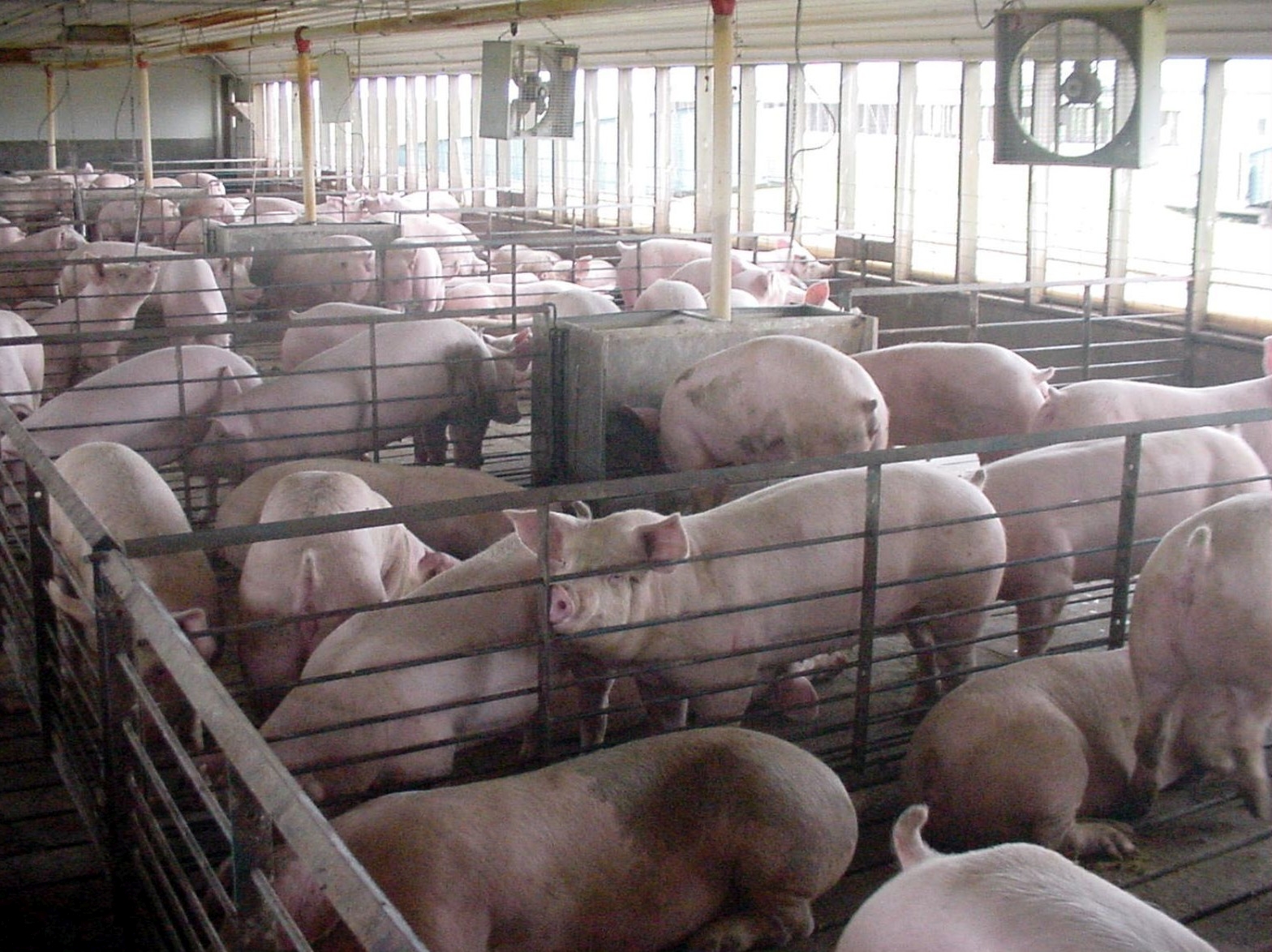
Waste lagoons used by industrial-scale livestock operations threaten spills that can cause catastrophic damage to America’s rivers, lakes and streams.
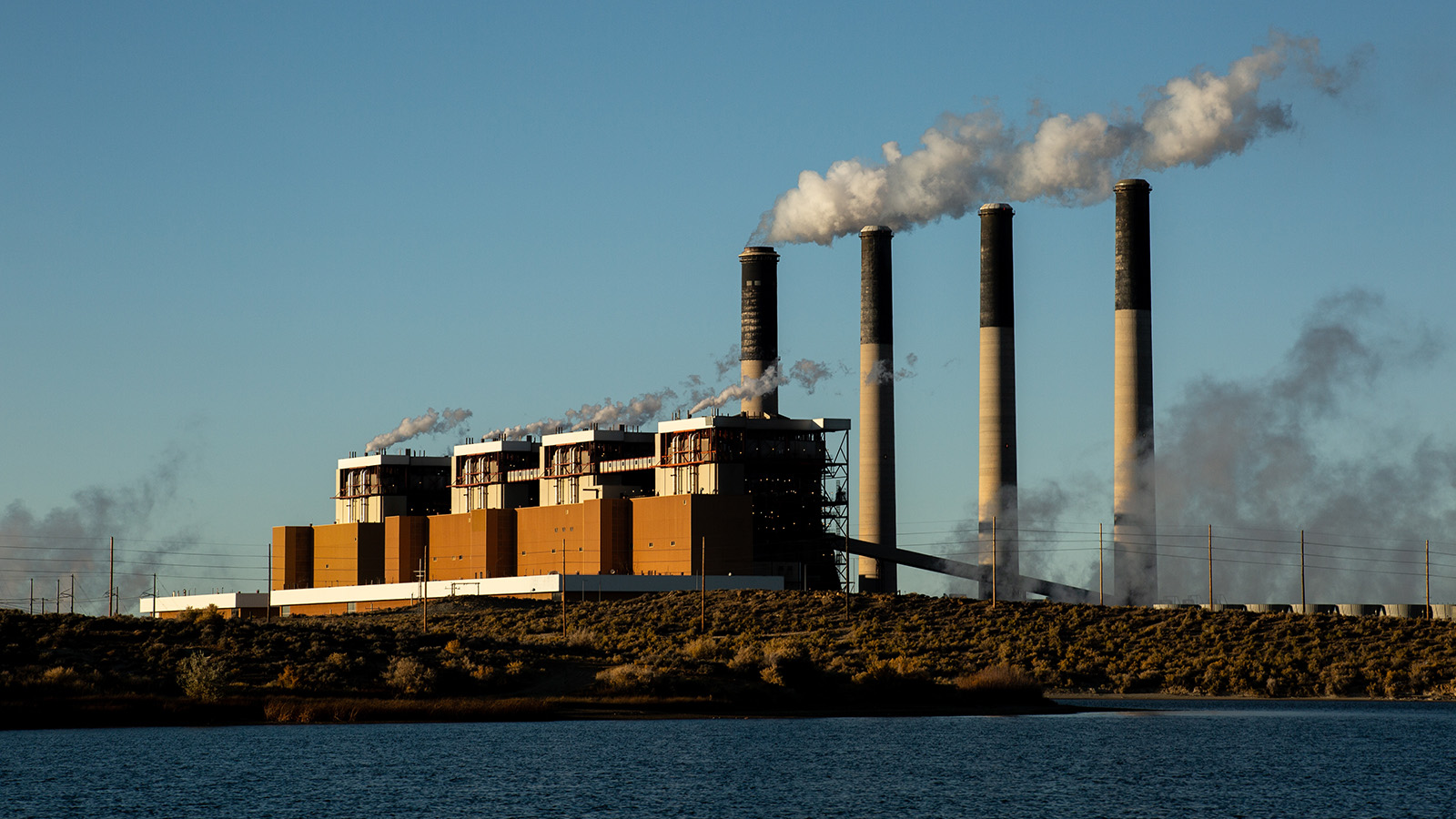
America’s most polluting power plants emit more greenhouse gas pollution than some entire states. New standards addressing pollution from those plants and the growth of wind and solar energy could make a big difference for the climate.
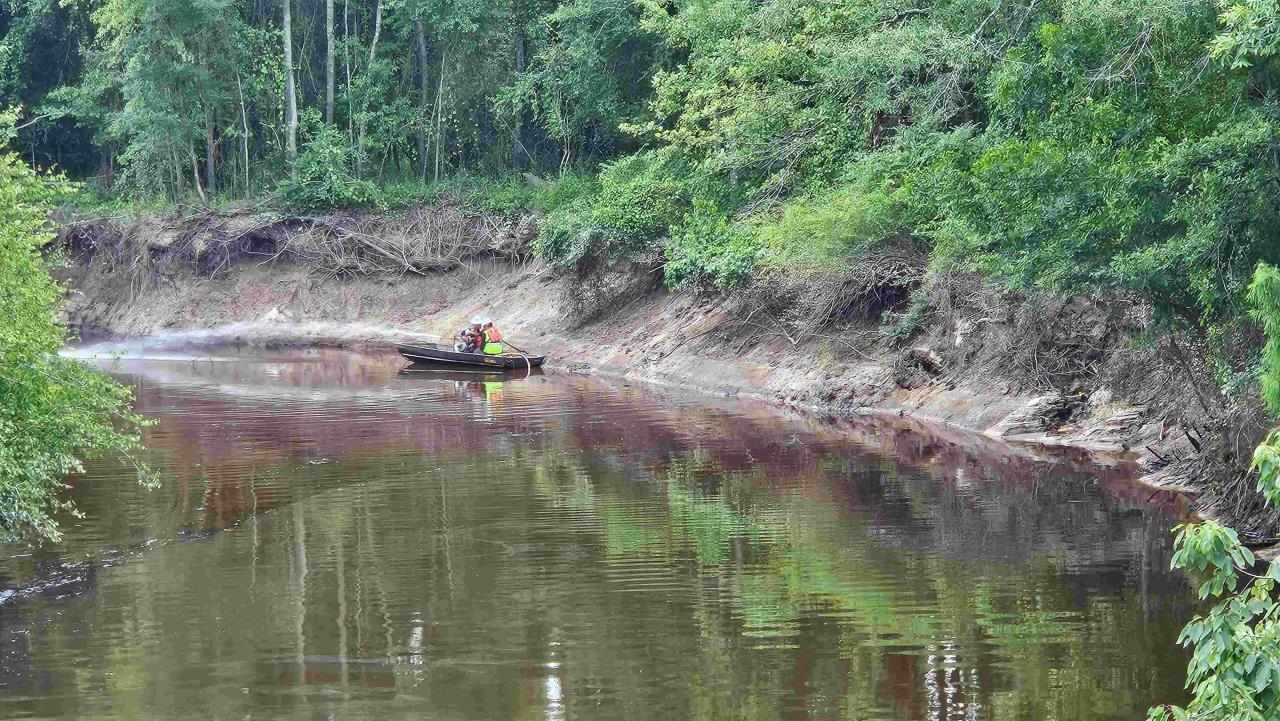
Pipelines transport billions of barrels of oil across the U.S. each year, frequently passing over or near waterways. Since 2004, pipeline spills have released more than 750,000 barrels of oil into the environment.
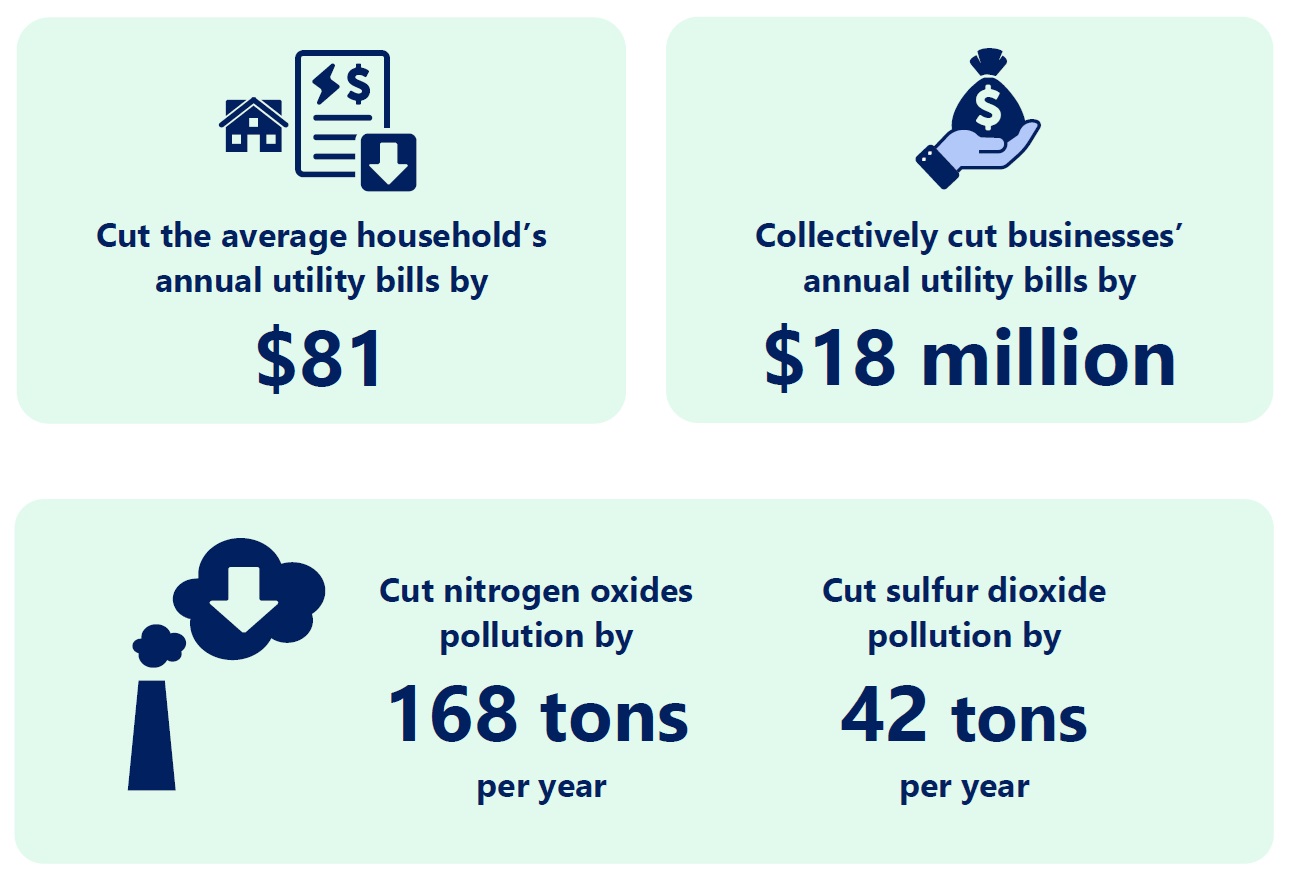
New appliance efficiency standards will save Iowa consumers and businesses money and reduce pollution
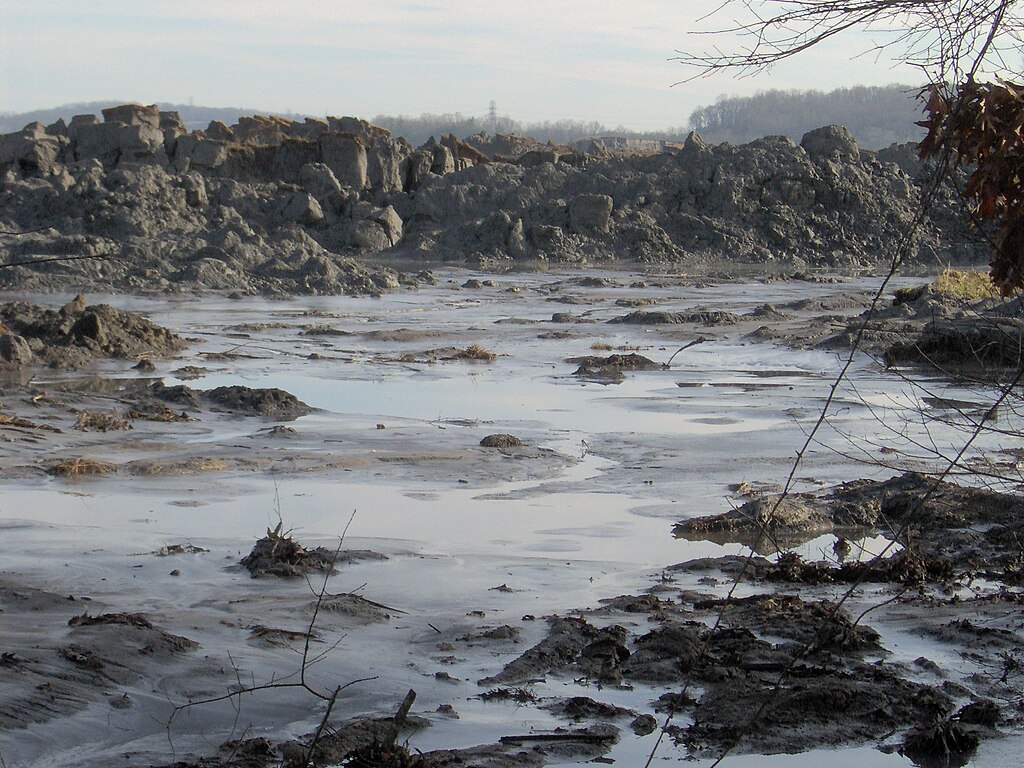
Hundreds of coal ash pits and ponds sit near the banks of American waterways, threatening toxic spills that can cause long-term damage to the environment and public health.

New map reveals that pre-production microplastics are produced in over half of U.S. states. This map can help identify potential plastic pellet pollution spots near you.