Take action: The Food Traceability Rule will help protect us from foodborne illness
Proof of one problem: 4 weeks after Chipotle pulled jalapeños, the FDA was still announcing new jalapeño recalls. High-profile outbreaks have many wondering whether our food is less safe.
Updated

One of the big questions so many people have raised in recent weeks: Are we seeing more food recalls? The answer: No. And even if we were, it wouldn’t automatically mean our food is less safe.
What we are definitely seeing this year: A huge increase in the number of illnesses caused by contaminated food. Then when you add in headlines that include well-known brands such as Taco Bell, Chipotle, Walmart and Whole Foods, it does create the impression of more recalls. It’s important to stress that the annual number of recalls isn’t an indicator of whether our food is safe or not. Let’s look at some facts:
This rule sets traceability recordkeeping requirements for foods most vulnerable to foodborne illness, such as leafy greens (including iceberg lettuce, the source of the current cyclospora outbreak), peppers (including jalapeño peppers that are part of the new Salmonella outbreak), soft cheeses (part of an ongoing Listeria outbreak that has sickened 12 people, hospitalized 10 and killed one), fresh-cut fruits and vegetables, cucumbers, herbs, melons, ready-to-eat deli salads and other foods we see recalled frequently.
The Salmonella outbreak involving jalapeño peppers has been a drip drip drip of new products to avoid. So far, 431 people in more than 30 states have become ill; 57 of those were hospitalized.
Here’s the timeline:
June 28: The number of new illnesses every day started hitting double digits; 10 to 32 people got sick every day through July 13.
July 20: Chipotle switched jalapeño suppliers in affected stores.
July 28: Qdoba stopped serving jalapeños.
Aug. 5: The FDA and CDC identified Coast Citrus Distributors as the source. It provided jalapeños to distributors, restaurants, and food service companies.
Aug. 8: USDA issued a public health alert for 18 meat and poultry products containing jalapeños sold at H-E-B, Wawa and other stores.
Aug. 9: 20 products distributed by Taylor Farms and sold at Hannaford, Kroger, Stop and Shop, Target, Trader Joe’s, Walmart and Whole Foods were recalled.
Aug. 12: Whole Foods recalled 10 different varieties of dips, guacamole and salsas.
Aug. 14: NatureBest Precut & Produce LLC recalled 18 salsas, stuffed mushrooms and soup mixes containing jalapeños.
Aug. 14: Salata recalled salad dressing sold at H-E-B stores in one state.
Aug. 17: FDA announced that Hardie’s Fresh Foods recalled packaged jalapeños.
Aug. 19: Illness count increased to 431 people, with 57 hospitalized (up from 345 illnesses and 36 hospitalizations on Aug. 4).
Aug. 21: FDA says “downstream recalls are being conducted.” Here’s the list. (But it’s missing some of the recalls posted by the FDA.)
The three key dates here are July 20, Aug. 8 and Aug. 17.
July 20 was when Chipotle switched suppliers. … Aug. 8 (19 days later) was when regulators first alerted the public to some products to avoid. … As of Aug. 17 (28 days later), products were still getting recalled. How many of the 431 people got sick needlessly during that time?
If the government would require companies to more quickly track the sales and uses of recalled foods, then other restaurants, groceries and food manufacturers that use those items as ingredients could find out sooner and pull those products and alert customers.
As we found in our Food for Thought 2026 report, 10 recalls in 2025 led to 31 additional recalls because they used a contaminated ingredient. All but two of those involved foods on the Traceability List, meaning subsequent recalls may have been delayed by the lack of tracing information.
This Traceability Rule was published on Nov. 21, 2022 and took effect on Jan. 20, 2023 with a compliance deadline of Jan. 20, 2026. Then in 2025, the government delayed the deadline until July 20, 2028. We can’t wait that long.
Adequate resources may have prevented the cyclospora outbreak and other outbreaks if the farms had been inspected in recent years as they should have been. Adequate resources could also allow more testing of food before it makes people sick, pay for more investigators to interview patients and provide more technicians to process lab results more quickly.
Tracing a source can inherently take weeks because of incubation periods, the time to process lab results for people who seek medical care and the fact that some people who get sick don’t go to a doctor or remember what they ate.
Here’s the cyclospora/iceberg lettuce timeline:
June 14: The first recorded illnesses in this summer’s most notorious outbreak occurred.
July 7: Taco Bell stopped serving iceberg lettuce by this date.
July 16: More than a week after Taco Bell stopped serving iceberg lettuce and a month after the first illness, the FDA and CDC publicly linked the Taylor Farm lettuce to products served at Taco Bell.
July 17: Taylor Farms initiated a recall of its iceberg lettuce sourced from central Mexico.
July 18: Marketside brand lettuce from Walmart was recalled. In all, Taylor Farms recalled 35 products from different retailers and operations.
Aug. 15: New cases continued for at least nine weeks; this is the last known date of new illnesses. The first illnesses occurred June 14.
Regulators investigated 28 foodborne illness outbreaks in 2025. Of those 28 investigations, 13 didn’t even identify a food type, such as cucumbers or eggs, at the time of our Food for Thought report in February 2026. In four other cases where a food type was identified, a brand wasn’t. So recalls were announced for only 11 of the 28 outbreaks in 2025.
Some of those contaminated products could have remained for sale, or other products from the same company could also have been contaminated, still making people sick. In addition, this could have exposed more people to danger from food or machinery that is contaminated with foodborne pathogens, since no one discovered the ultimate source of these illnesses.
For example, the Fresh & Ready Foods’ Listeria outbreak in 2025, which was connected to 10 hospitalizations and one death, was linked to a facility that had previously tested positive for Listeria in 2017, as noted in the FDA’s warning letter.
The first case in that Listeria outbreak occurred on Dec. 3, 2023, yet the ready-to-eat products were not recalled until May 10, 2025. The recall stemmed from an FDA inspection that found Listeria contamination. According to the FDA warning letter, “the inspection was initiated as part of a multistate foodborne outbreak investigation.”
If there were frequent re-inspections of facilities with a history of bacteria contamination, perhaps this problem could have been traced to Fresh & Ready sooner, instead of regulators waiting until another outbreak. And maybe sicknesses or the death could have been prevented.
This is particularly important for products that are frequent sources of contamination such as fresh produce and soft cheeses. And regulators should do more to hold companies accountable when inadequate testing leads to massive outbreaks.
A GAO report in January 2025 said: “We have long reported that the fragmented nature of the federal food safety oversight system causes inconsistent oversight, ineffective coordination and inefficient use of resources.
“Since 2007, we have identified federal oversight of food safety as a high-risk issue and made several recommendations and matters for congressional consideration.
“In 2017, we called for the Executive Office of the President to develop and implement a national strategy for overseeing food safety. As of January 2025, there were no plans to create a national strategy, according to officials from the Office of Management and Budget.”
This should be easy. Products with undeclared allergens such as milk, peanuts or wheat comprised 39% all recalls in 2025. Allergies to one or more foods affect 8% of children and nearly 11% of adults nationwide.
Back to the original question: Are we seeing more food recalls in 2026 and does that mean our food is less safe? It’s too soon to tell. But even if we had a total number of recalls for all of 2026 and the number was higher, it might not indicate more contaminated products. It could mean more enforcement or more company testing of the same universe of bad products. We don’t know.
And remember, one recall could encompass dozens of products, as with the Taylor Farms lettuce recall that affected 35 different products under various brands. So assessing the safety of our food based on the number of recalls has limits.
The other reason the number of recalls publicized by the FDA doesn’t mean much: The FDA, which oversees about 80% of our food supply, issues news releases for only a fraction of recalls in a given year. Besides the recalls announced on its main website, the FDA has a lesser-known database for food recalls that is difficult to navigate. Recalls listed there aren’t widely publicized. There isn’t a lot of rhyme or reason about which recalls are highlighted in news releases.
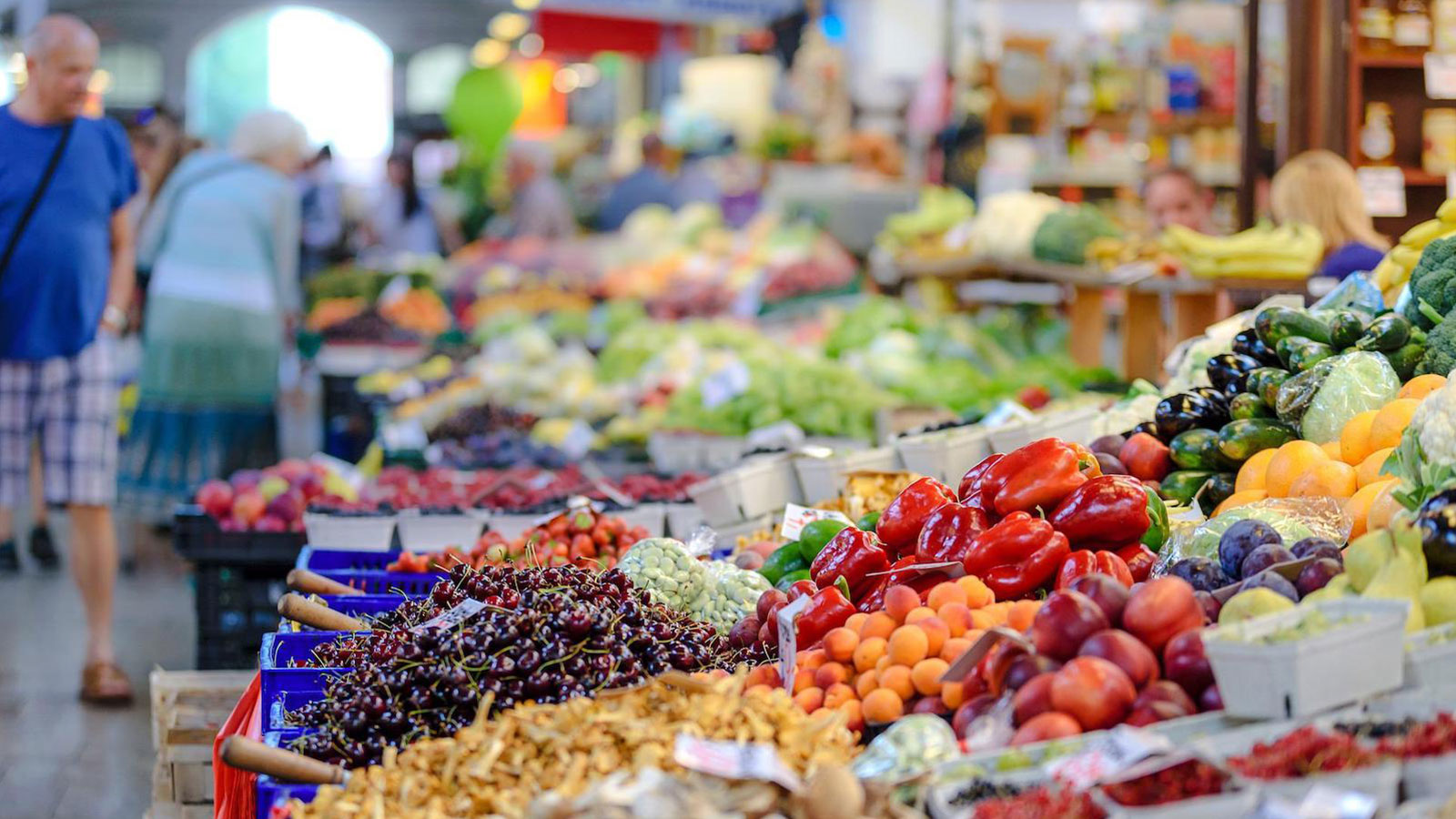
We should be able to trust that our food is safe to eat.
Consumer Watchdog Director, U.S. PIRG Education Fund
Teresa directs the Consumer Watchdog office, which looks out for consumers’ health, safety and financial security. Previously, she worked as a journalist covering consumer issues and personal finance for two decades for Ohio’s largest daily newspaper. She received dozens of state and national journalism awards, including Best Columnist in Ohio, a National Headliner Award for coverage of the 2008-09 financial crisis, and a journalism public service award for exposing improper billing practices by Verizon that affected 15 million customers nationwide. Teresa and her husband live in Greater Cleveland and have two sons. She enjoys biking, house projects and music, and serves on her church missions team and stewardship board.