Webinar with local government, utility and nonprofit representatives offers tips for accelerating the shift to electric lawn equipment

Even though they’re small, the engines used in gas lawn mowers, leaf blowers, trimmers and other lawn care tools produce a lot of harmful pollution: operating a commercial gas leaf blower for just one hour generates as much smog-forming pollution as driving a car 1,100 miles. Exposure to the pollution from gas lawn equipment is linked to health problems including asthma attacks, lung damage, cardiovascular disease and cancer.
Because of this pollution – and excessive noise – communities across the country are taking action.
We got to hear directly from some of the people involved in these proactive policies and programs during a webinar. Panelists included Chad Pinkelman from Nebraska Public Power District, Austin (TX) City Councilmember Ryan Alter, Athens-Clarke County (GA) Landscape Administrator Jeanne Connell, CoPIRG Foundation Advocate Kirsten Schatz and Environment Georgia Research & Policy Center State Director Jennette Gayer.
From a statewide 30% discount on electric lawn equipment in Colorado to rebates in Austin and Nebraska Public Power District’s territory to Athens-Clarke County working towards fully electrifying their lawn equipment fleet, the webinar showcased a variety of policies and programs designed to help clean up the air and make communities quieter.
Panelists from across the country share details on policies and programs that are accelerating the shift to cleaner, quieter electric lawn care.

Major insurance companies are putting our climate and financial well-being at risk.
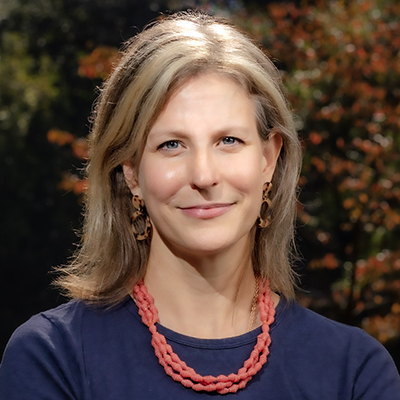
Clean Air Advocate, CoPIRG
Kirsten is focused on fighting for clean air and making it easier to generate clean energy from the sun. She was named a 2025 Clean Air Champion by the Regional Air Quality Council for her work to raise awareness about the ozone pollution problem harming Coloradans’ health and to pass policies to address the problem. The author of two ground-breaking reports on the benefits of electric lawn equipment, she appears regularly in local media and has also appeared in national outlets such as The Economist. Previously, Kirsten oversaw The Public Interest Network’s efforts to engage alumni and volunteers in the network’s work, specializing in communications and organizing events in dozens of cities. Kirsten lives in the Denver area with her husband and children, where she is an avid hiker, biker, church choir member and gardener.
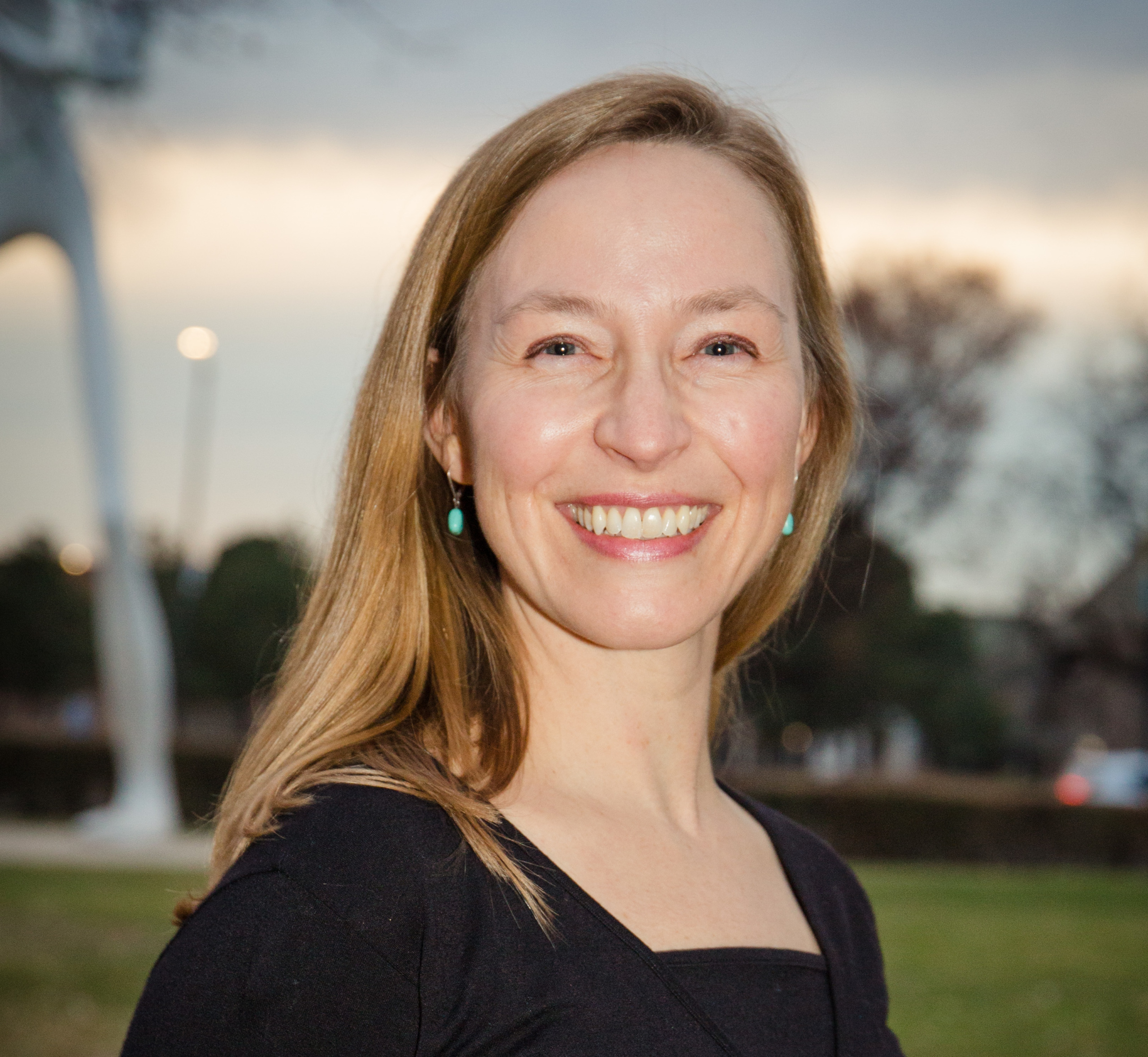
State Director, Environment Georgia Research & Policy Center
As director, Jennette coordinates policy development, research, outreach and legislative advocacy for Environment Georgia. She has run successful campaigns to designate Georgia’s first outstanding national resource water along the headwaters of the Conasauga River, expand parks along the Chattahoochee River and Jekyll Island State Park, and stop construction of three new coal-fired power plants in Georgia, while also advocating for solar policies that have helped make Georgia one of the top 10 states for solar in the country. She serves on the leadership team for the Georgia Water Coalition, and on the boards of Citizens for Progressive Transit and The Georgia Solar Energy Association. Jennette lives in Atlanta, where she enjoys training for triathlons and hiking and camping in Georgia’s mountains.