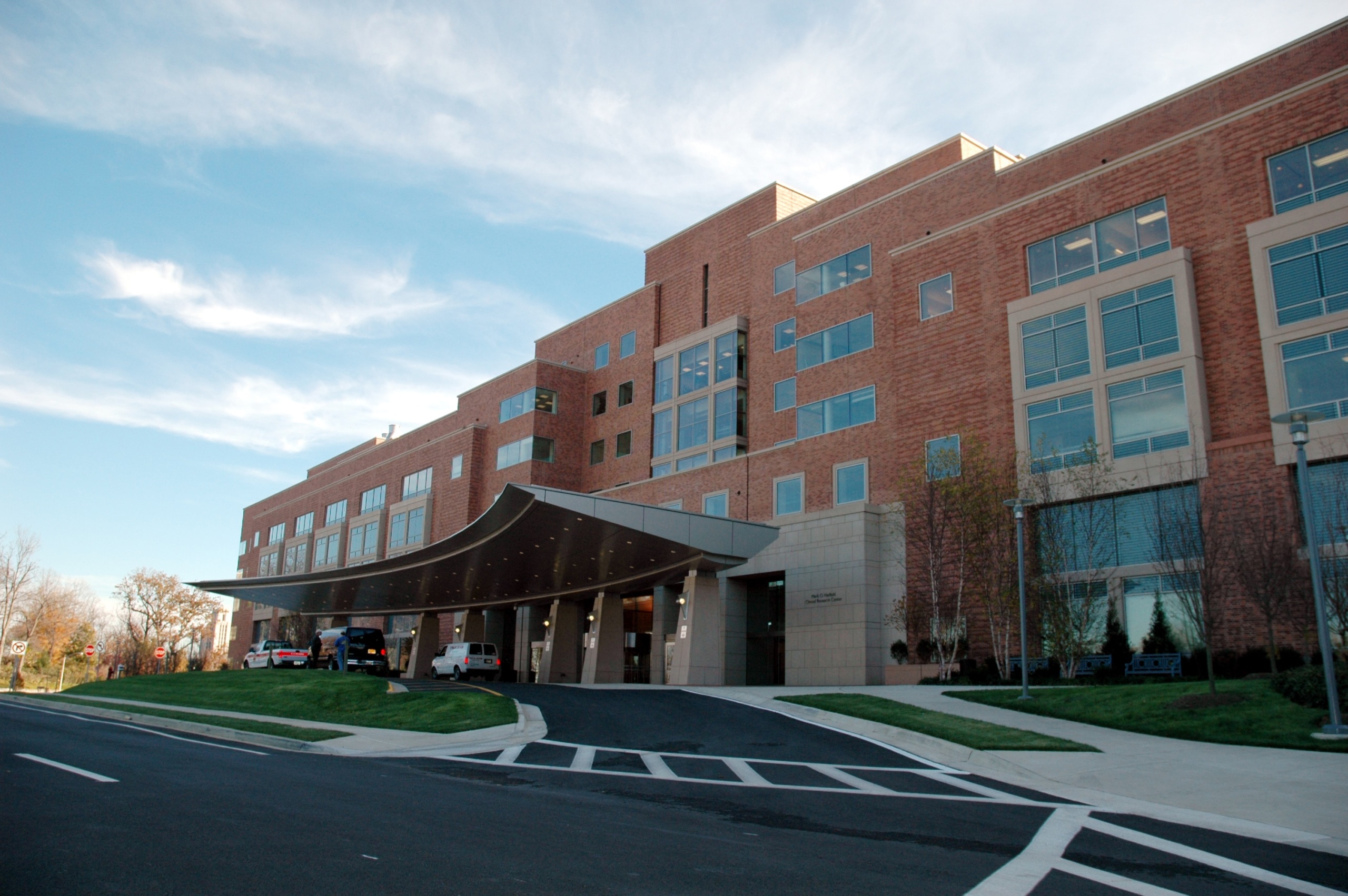

Hospital facility fees are tacked onto bills for doctor visits. But why?
Updated
Have you ever been charged more than you were expecting for a routine medical service at your doctor’s office? If so, you may have been charged a facility fee. That’s a charge added to your bill which was originally meant to offset the extra costs of ‘maintaining the facility’ of a hospital, covering expenses 24/7 staffing and capacity for emergency care.
While facility fees help fund necessary hospital services, these days, many people are seeing a facility fee tacked onto their regular doctor or clinic bills. Why? Hospital systems are purchasing physician practices and clinics. When these sites for regular visits are now owned by hospital systems, the hospital billing department may begin to institute an added “facility fee” at those newly acquired doctors’ practices. That means patients pay more for the same care they’ve always received, even in the same building with the same doctor as before.

With growing trends of consolidation, patients may end up being charged a facility fee even if they never step foot in a hospital. As if healthcare isn’t already expensive enough, patients might see these add-on charges for routine services, such as blood tests, x-rays, or even telehealth visits. Facility fees for outpatient services vary widely, but can be costly: one report found that over half of the states studied had average facility fees over $100. These costs add up quickly, and people that need regular care could rack up thousands of extra dollars for the facility in just a couple months. Even worse, patients are often unaware of this new fee until they receive the bill.
Many insurance providers will not completely cover facility fees, leaving patients with yet another cost to bear. Even if insurance plans pick up the tab, we could see that cost passed along through an increase in our insurance premiums.
This problem has exacerbated with time, as more and more hospitals acquire physician’s practices, allowing them to spring unexpected facility fees on patients across the country. As of 2023, nearly four of five physicians (77.6%) are now employees of hospitals or health systems and other corporate entities, and the consolidation trend continues. This is bad news for patients, as the likelihood of facility fees increasing costs for all consumers becomes an imminent reality.
It’s reasonable for a hospital to be able to charge enough to cover all its expenses. In some circumstances, when hospital backup might be beneficial even if the procedure doesn’t require an inpatient stay, it might even make sense to charge a facility fee. But routine care, like an annual physical or other outpatient doctor visits, certainly should not carry the added costs associated with ICUs, or other hospital-specific staffing and infrastructure. We shouldn’t be paying more for the same care, just because the clinic is owned by a hospital.
If we don’t stop this practice, patients across the country could be paying more every time they visit their regular doctor for no reason other than an ownership change of the physician’s practice. In 2024, hospitals brought in over $1.4 billion in facility fees in Connecticut alone. But even though states are starting to take action, many reforms are too weak to adequately protect patients from unjustified facility fees.
There is no reason for patients or insurance companies to pay a facility fee solely due to a change of ownership in the physician practice. In fact, in a 2023 poll, nearly 3 in 4 voters (74%) wanted policymakers to ban facility fees everywhere for outpatient, same-day services, regardless of the service or where care is being provided. In addition, billing restrictions on facility fees for routine care would have only a very small impact on hospital profits, meaning these reforms would protect patients without harming hospitals.
In response to growing public awareness and pressure, states are stepping up. Twenty-one states now have laws targeting unfair facility fees, although many are very narrowly targeted or inadequate to fully address the issue. Colorado prohibits facility fees for care at outpatient locations, telehealth appointments, and preventative healthcare services, and established a Hospital Facility Fee Steering Committee in 2023 to evaluate the implementation and impact of facility fee reforms. Similarly, Connecticut’s relatively robust facility fee law went into effect in 2024, prohibiting facility fees for many types of outpatient care and requiring annual reporting on what facility fees are charged. In addition, the National Academy for State Health Policy has suggested a model act targeting facility fees based on location and service, urging states to prohibit unwarranted facility fees with reporting requirements and regulations.
This progress is encouraging, but we still have a long way to go before all Americans are protected from unjustified facility fees. Health care charges should reflect the care received, not who owns the practice.
Senior Director, Health Care Campaigns, U.S. PIRG Education Fund
Patricia directs the health care campaign work for U.S. PIRG and provides support to our state offices for state-based health initiatives. Her prior roles include senior policy advisor at NJ Health Care Quality Institute, associate state director at AARP New Jersey and consumer advocate at NJPIRG. She was appointed to the Ground Ambulance and Patient Billing Advisory Committee in 2022 and works with patient advocates across the U.S. Patricia enjoys walking along the Potomac River and sharing her love of books with friends and family around the world.
High Value Health Care, Associate, U.S. PIRG Education Fund
Noah works on PIRG's High Value Health Care campaign, aiming to lower medical costs without sacrificing the quality of care a person receives. He is originally from Illinois, but now lives in D.C. In his free time, Noah enjoys baking bread.